




Products
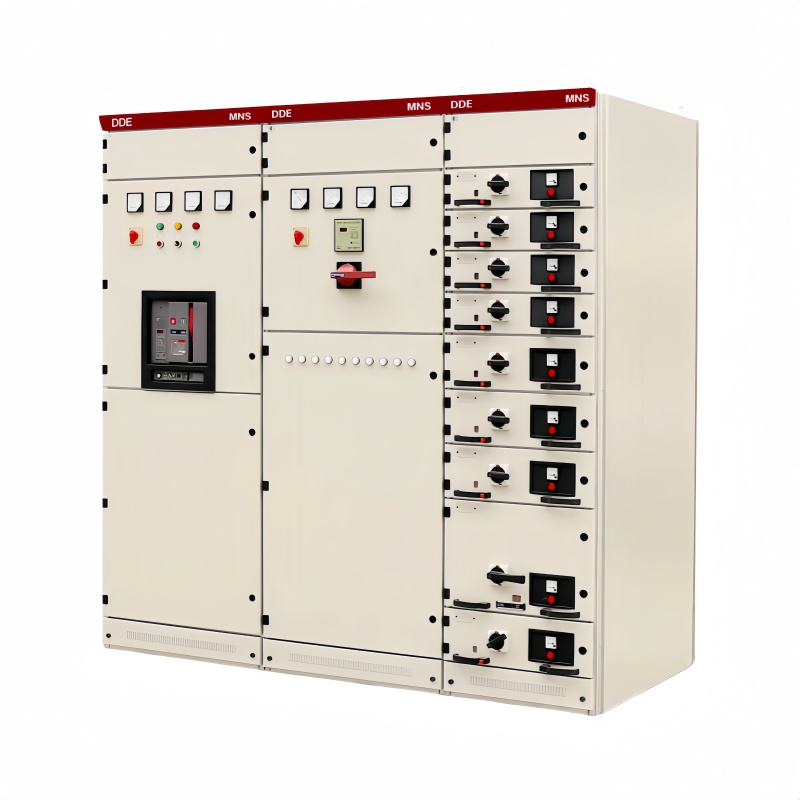
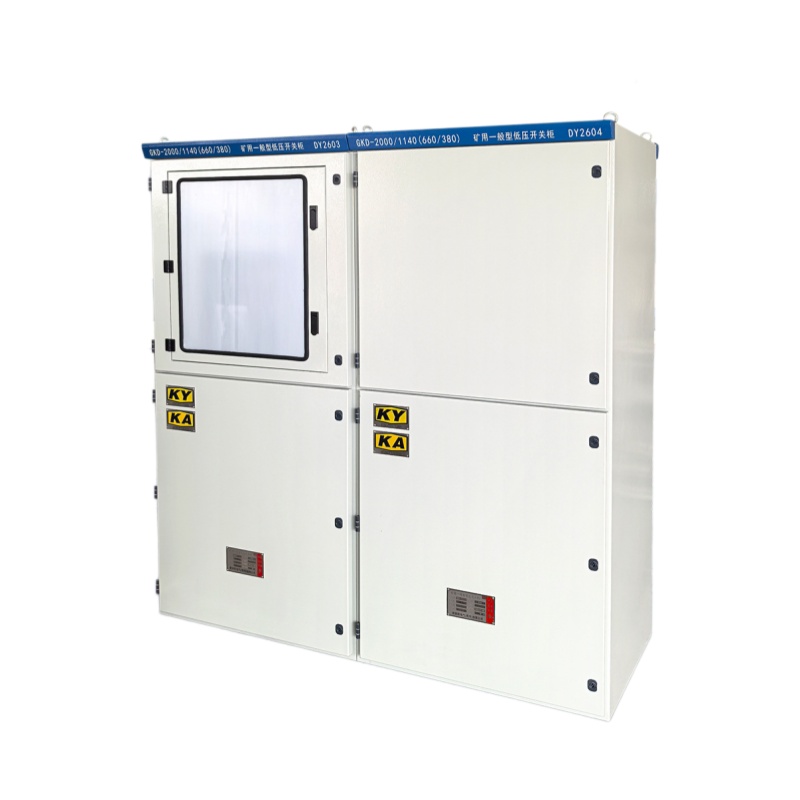
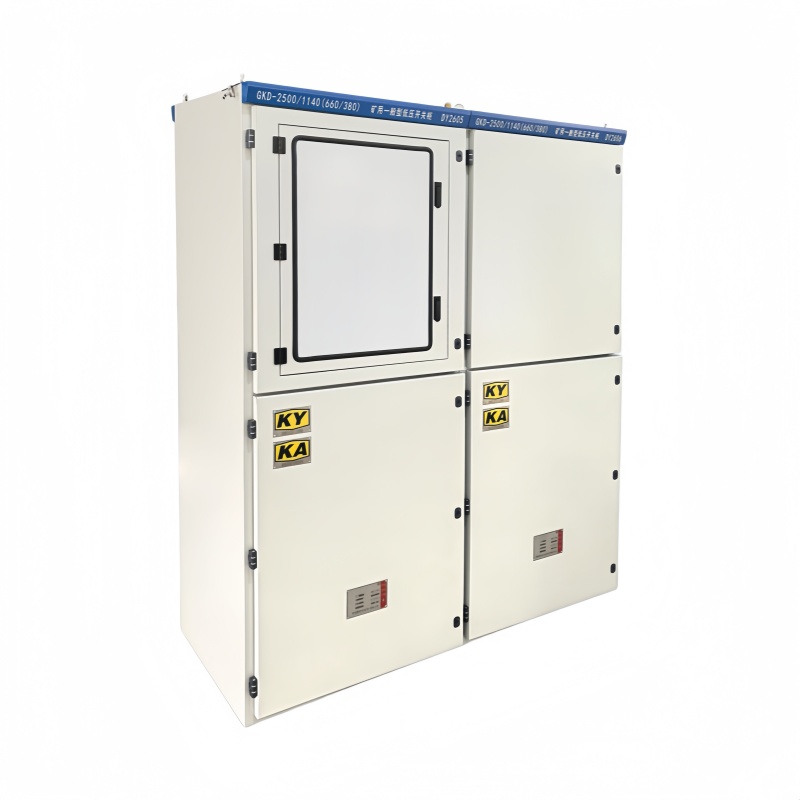
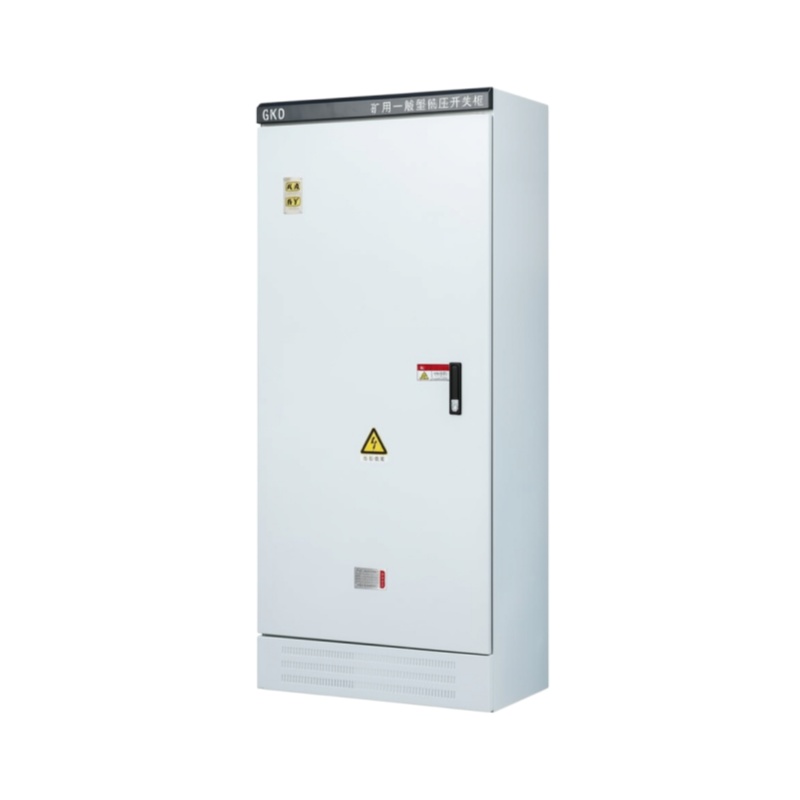
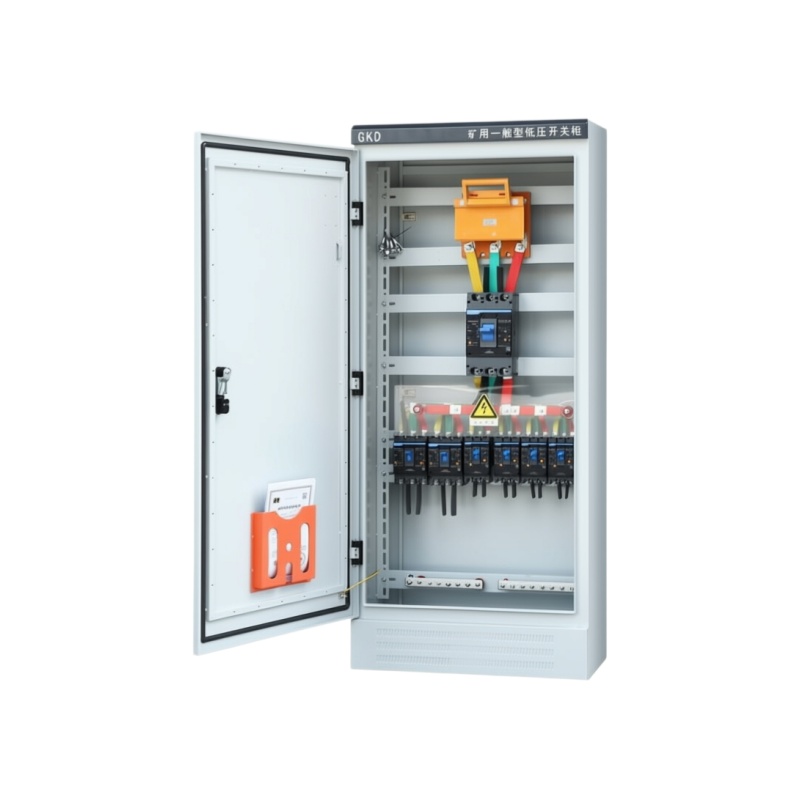
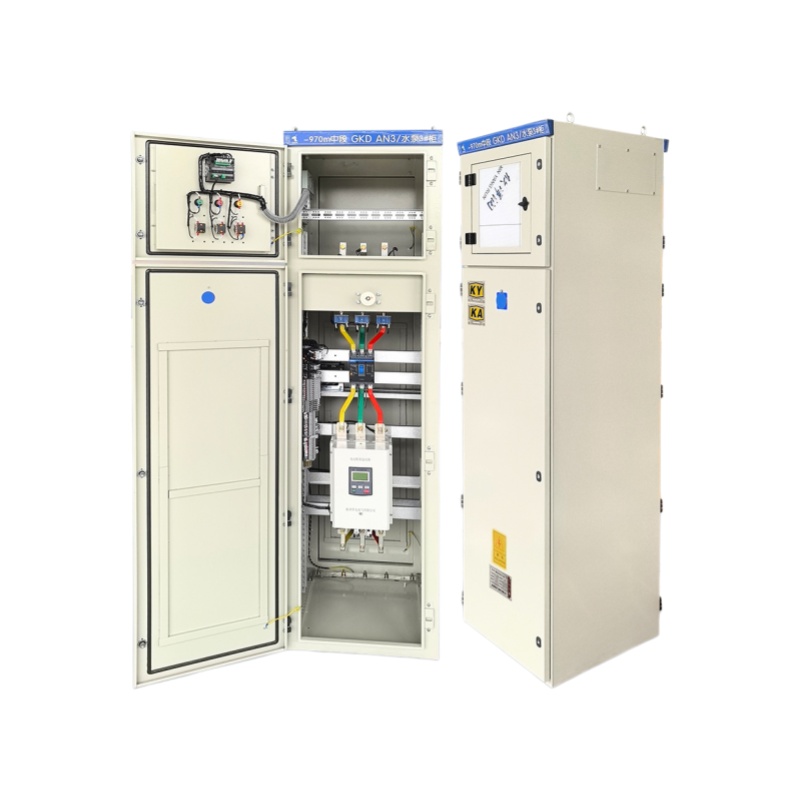
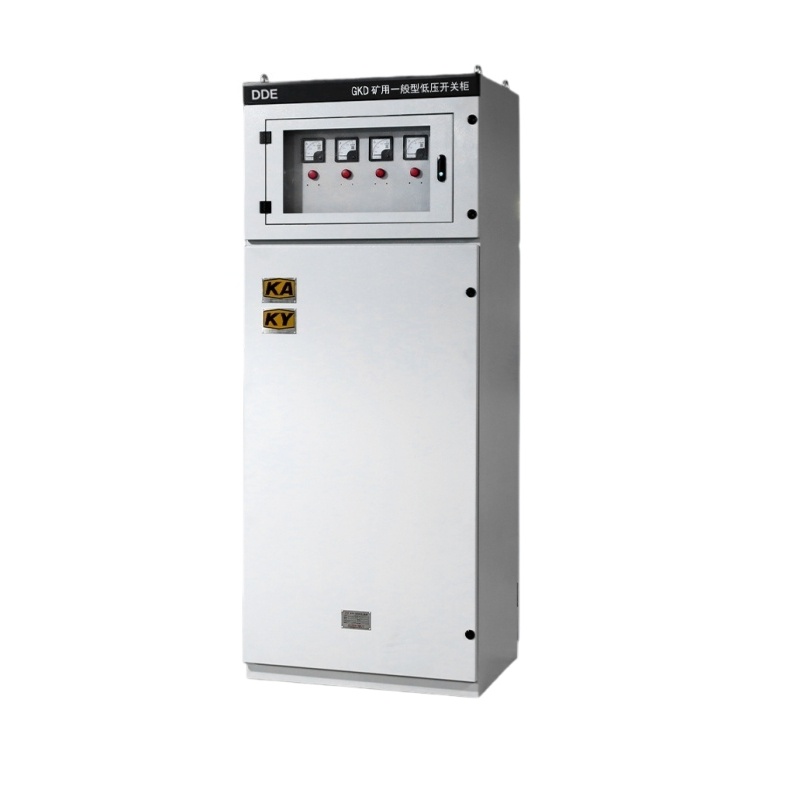
GKD Mine low-voltage distribution cabinet for general purposes
The general-mine low-voltage distribution cabinet type GKD is a power distribution and control device specially designed for the harsh conditions of underground mining.
Description
marker
Product Description
The general-mine low-voltage distribution cabinet type GKD is a power distribution and control device specially designed for the harsh conditions of underground mining. Although it does not have explosion-proof features, it meets more stringent standards for insulation, protection, mechanical strength and other parameters than conventional electrical equipment and is intended for use in underground mines that do not pose the risk of gas and coal dust explosions.
Product Overview
1. Basic definition and scope
● Nature of the equipment: Belongs to the category of “non-explosion-proof” mine electrical equipment. The nameplate is usually clearly marked “KY” (general mine design).
● Conditions of Use: Specifically designed for use in coal mines in areas where there is no risk of gas and coal dust explosions, as well as in non-coal mines and other underground industrial environments. Typically used in chambers or control rooms such as tree trunks, central control panels, main ventilation drifts.
● Main purpose: Used in three-phase AC power supply systems with a frequency of 50 Hz with a rated voltage of 380 V, 660 V or 1140 V for the conversion, distribution, control and protection of electricity for power equipment, lighting and switchgears.
2. Main technical features
To adapt to harsh operating conditions in mines - high humidity, high dust levels, vibrations - low-voltage distribution cabinets of general mine design have the following features:
● High degree of protection: The housing is usually made of cold-rolled steel or stainless steel, and is dust-proof, moisture-proof and dripping-proof. The degree of protection is usually required to be at least IP54 (up to IP65 according to some high standards), which effectively prevents the penetration of solid particles and liquids from the outside.
● Strict electrical safety requirements: There are special requirements for creepage distances and electrical clearances of terminal blocks. The housing must have reliable internal and external grounding bolts to ensure the safety of operating personnel.
● Comprehensive protective functions: Provides multi-level protection: overload, short circuit, current leakage (with blocking in case of leakage), undervoltage, overvoltage, phase loss and others. Some new models also come with smart monitoring and remote control features.
● High mechanical strength: The housing structure is designed to be resistant to shock and deformation, and can withstand certain mechanical stress and vibration.
3. Operating conditions
● Ambient temperature: Typically –5°C to +40°C.
● Relative humidity: No more than 95% (at 20°C ± 5°C).
● Altitude: Typically no more than 1000 m or 2000 m (some models up to 3500 m).
● Environmental requirements: No gases or vapors that destroy insulation, no significant shaking or vibration.
contact us
Related Popular Products
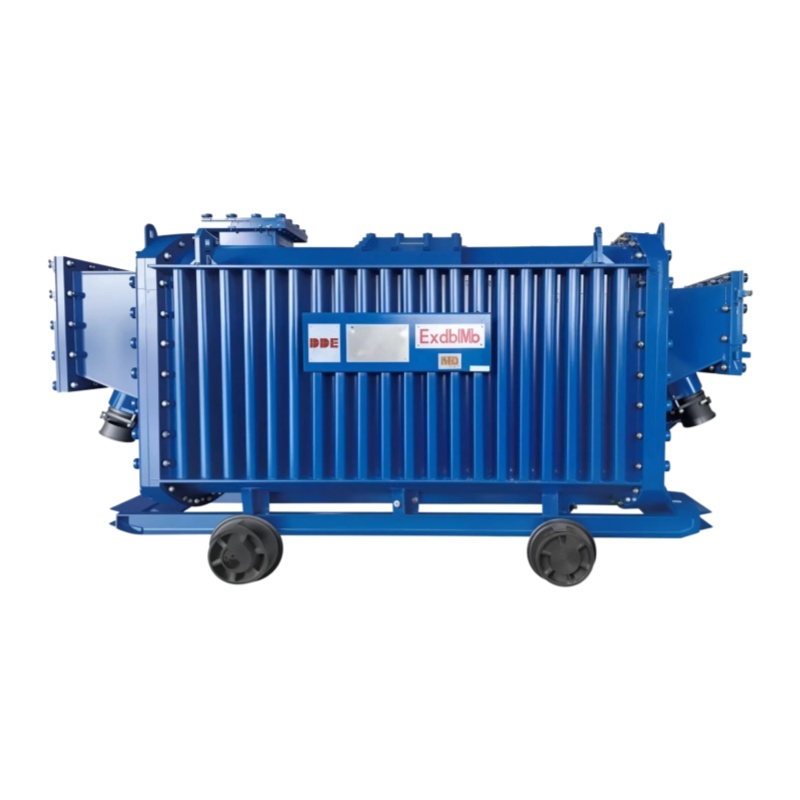
KBSG Mine explosion-proof dry transformer
KBSG Mine explosion-proof dry transformer is intended for use in mines with the presence of a methane-air mixture and coal dust, which are hazardous due to explosion, as a switchgear for complex mechanized mining equipment in underground coal mines.
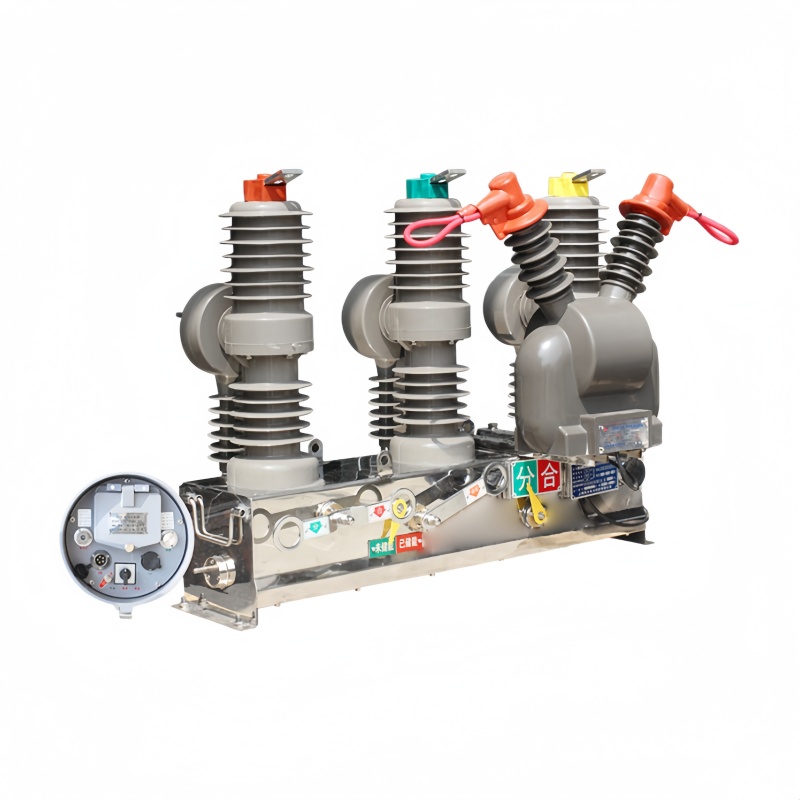
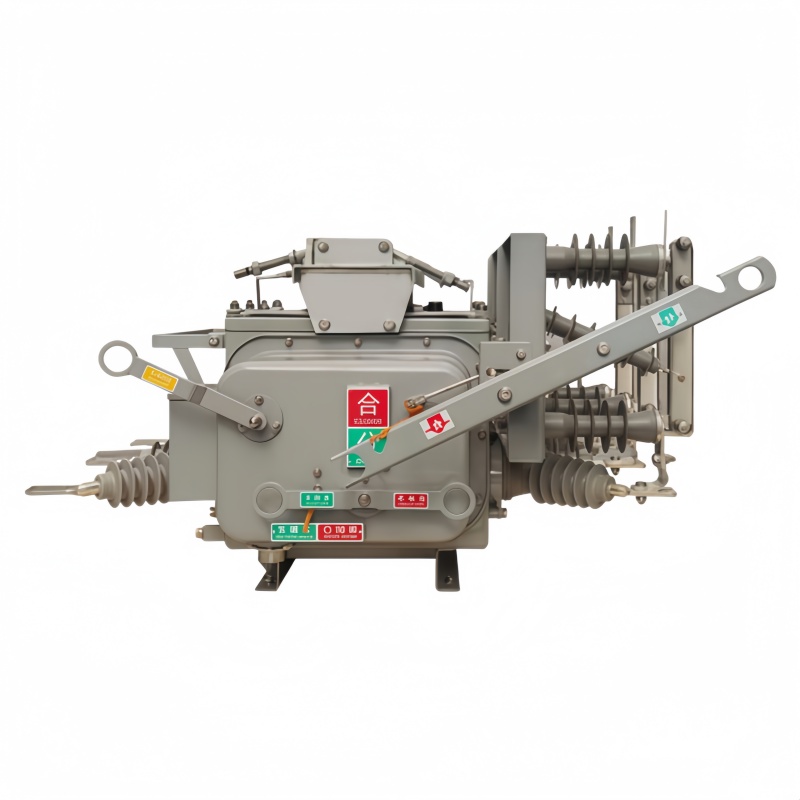
ZW32-12 Vacuum circuit breaker for outdoor installation
The high-voltage vacuum circuit breaker for outdoor installation of the ZW32-12(G) series (hereinafter referred to as the “switch”) is a switching switchgear for outdoor installation with a rated voltage of 12 kV, three-phase alternating current with a frequency of 50 (60) Hz.
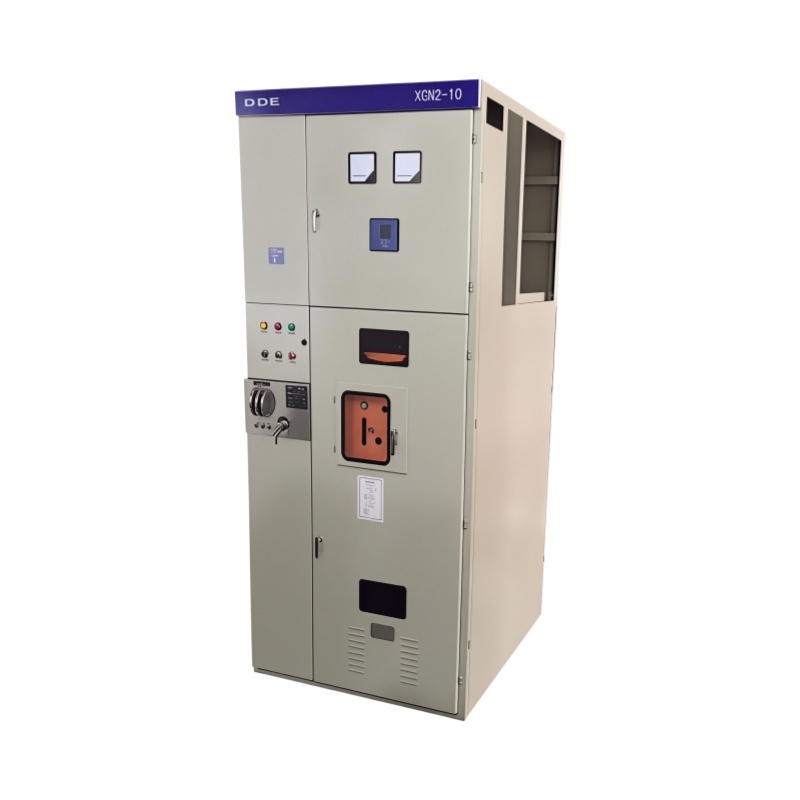
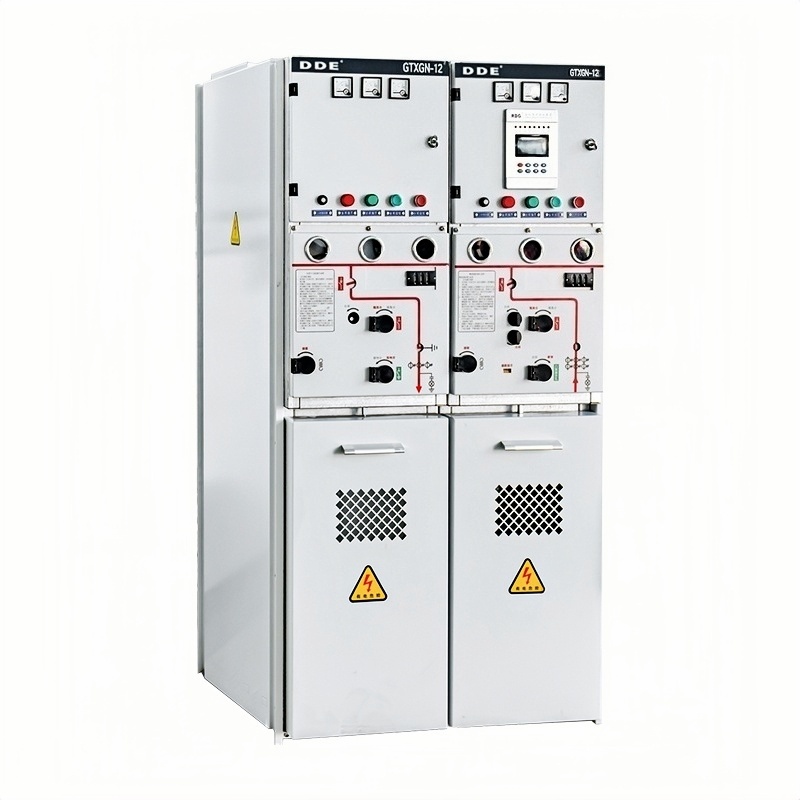
XGN2-12 Complete AC switchgear in metal enclosure, box-shaped stationary type
The stationary metal switchgear of the XGN2-12 series (hereinafter referred to as the “cabinet”) is intended for use in three-phase AC electrical networks with a voltage of 3.6; 7.2; 12 kV, frequency 50 (60) Hz for receiving and distributing electricity. The device is suitable for places with frequent switching operations.
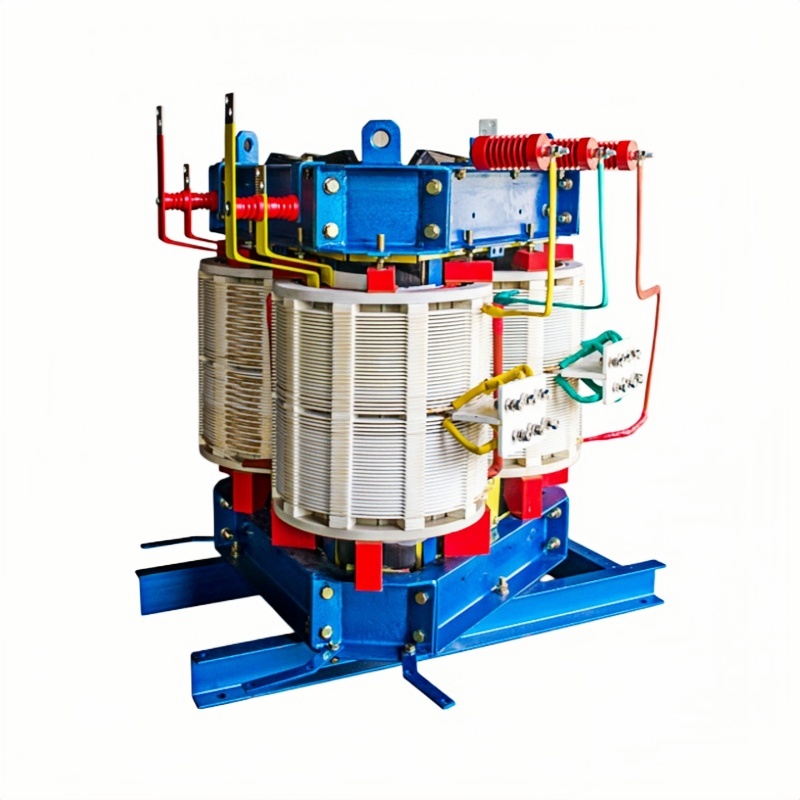
SGB-RL Dry transformer with open windings and space triangular core
High mechanical strength: the spatial twisted core has a round cross-section of the rods, which provides better resistance to short-circuit currents compared to an oval cross-section. After vacuum impregnation, the windings have high strength, and a special fastening method allows the product to withstand shock electrodynamic loads in the event of a sudden short circuit without damage.
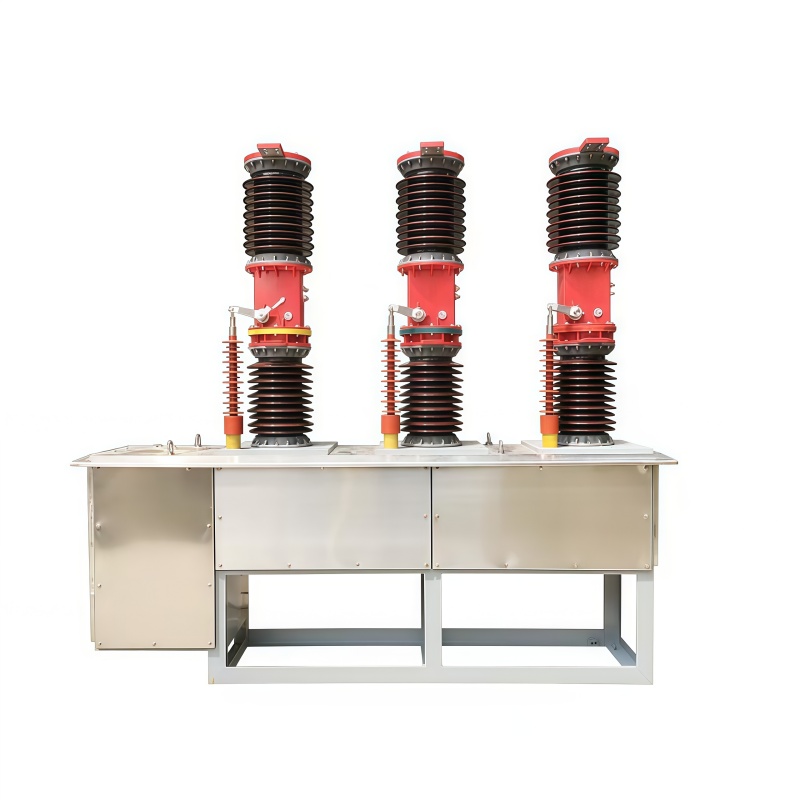
ZW7-40.5 High voltage vacuum circuit breaker for outdoor installation
High-voltage AC vacuum switch for outdoor installation of the ZW7-40.5 series (hereinafter referred to as the “switch”) is a high-voltage electrical device for outdoor installation of three-phase alternating current with a frequency of 50 (60) Hz, rated voltage 40.5 kV.
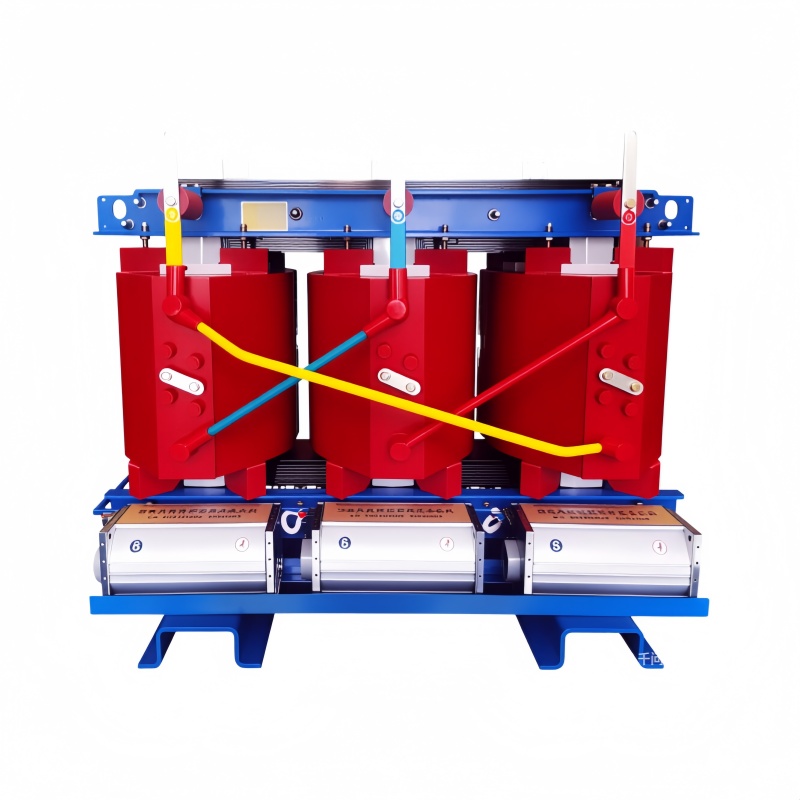
SCB Epoxy Insulated Dry Type Transformer
SCB series dry-type transformers with epoxy insulation 10 kV are manufactured by vacuum casting with epoxy resin. They are especially suitable for use in urban electrical networks, high-rise buildings, hospitals, airports, subways, tunnels and other places with increased safety and environmental requirements.
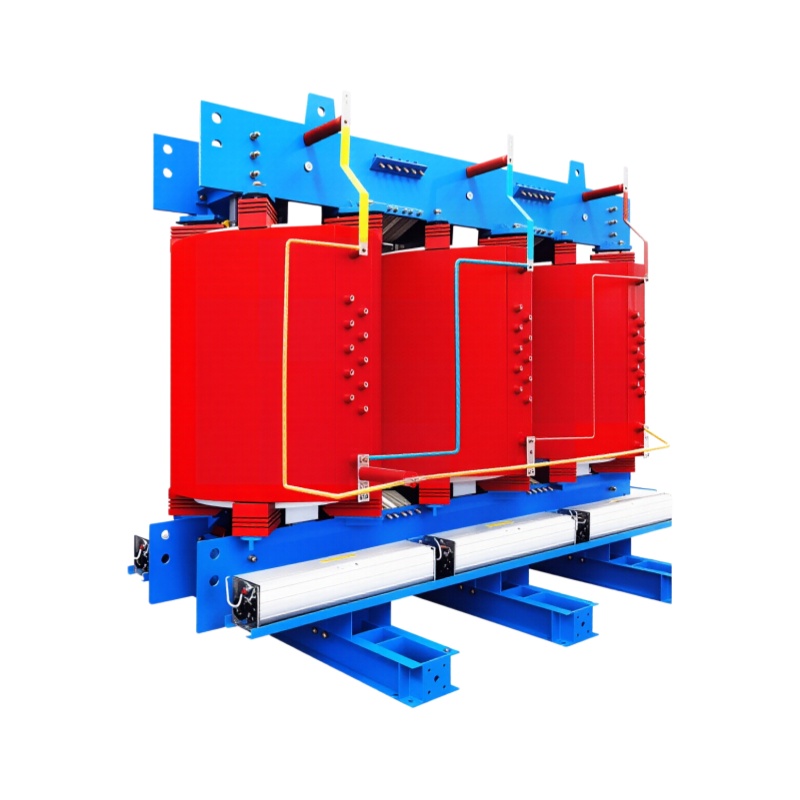
Dry-type transformer 35 kV with epoxy insulation
Our company's dry-type transformers are characterized by high mechanical strength, low level of partial discharges, good thermal stability, high reliability, long service life and significant energy-saving effect. The company offers transformers of various energy efficiency classes to choose from.
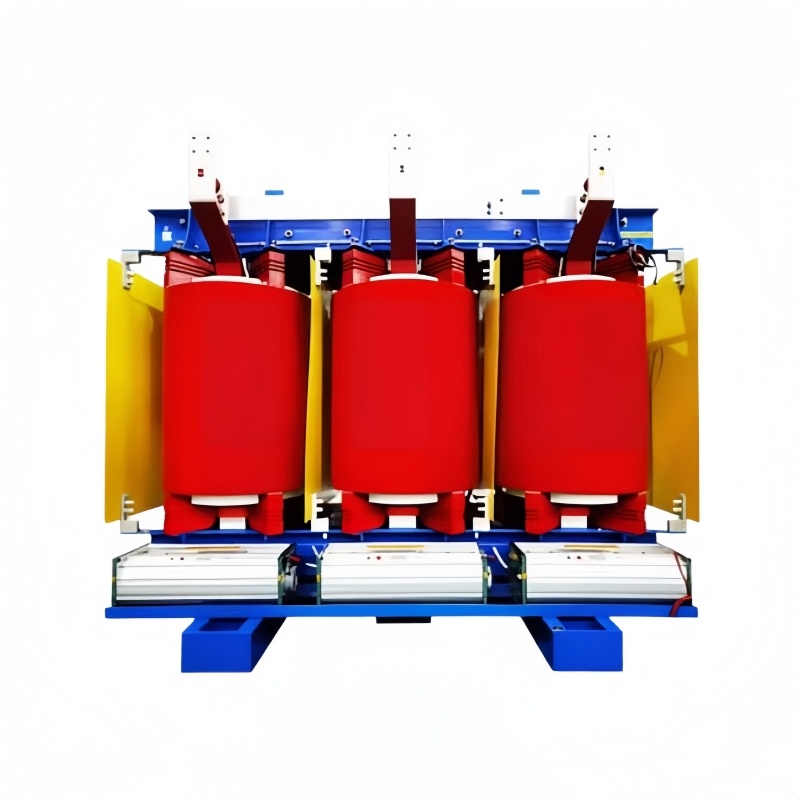
Dry-type transformer for renewable energy
A dry-type renewable energy transformer is an electrical power conversion equipment specifically designed for renewable energy generation systems. It is used in renewable energy projects such as photovoltaic generation and wind power, and serves to increase the output voltage of the generation system to a level suitable for connection to the electrical grid or supply to certain equipment.
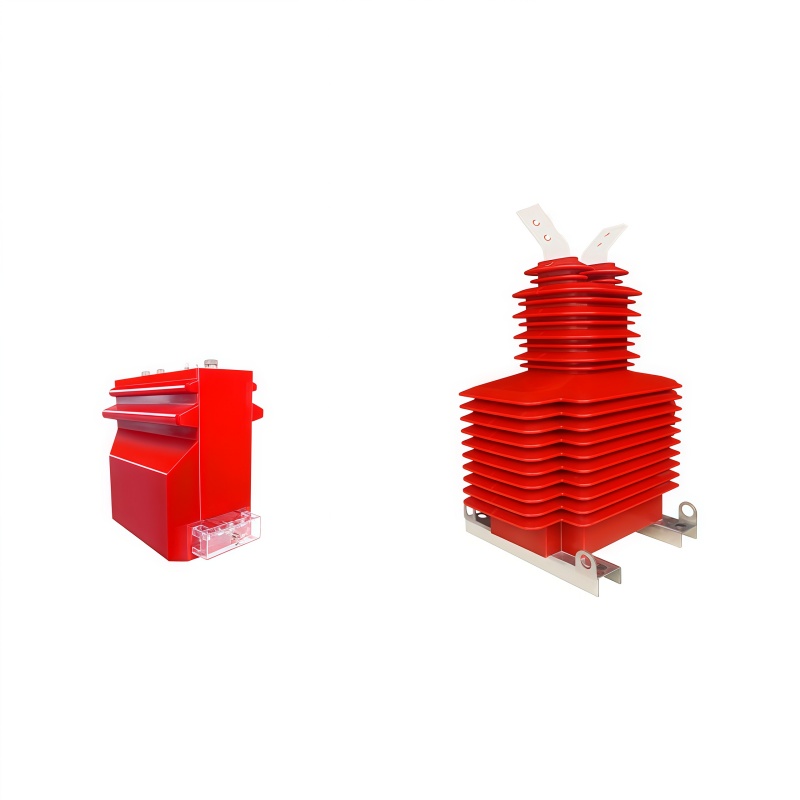
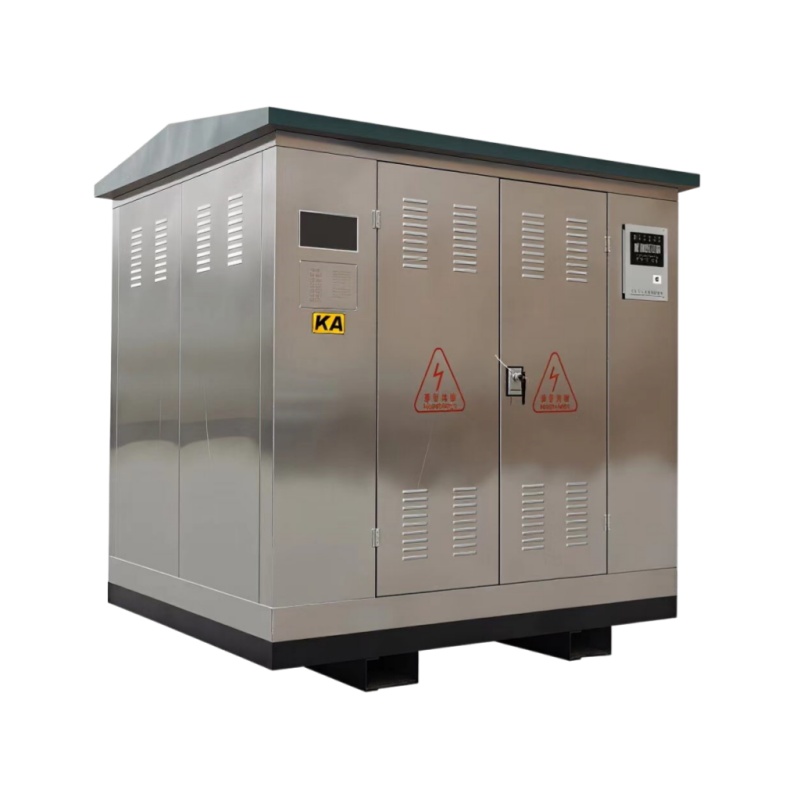
KKSG Mine dry transformer for general purpose
KKSG Mine dry transformers for general purpose have such advantages as safety, reliability, energy efficiency, fire safety, explosion protection, absence of harmful gas emissions, environmental friendliness and ease of maintenance.
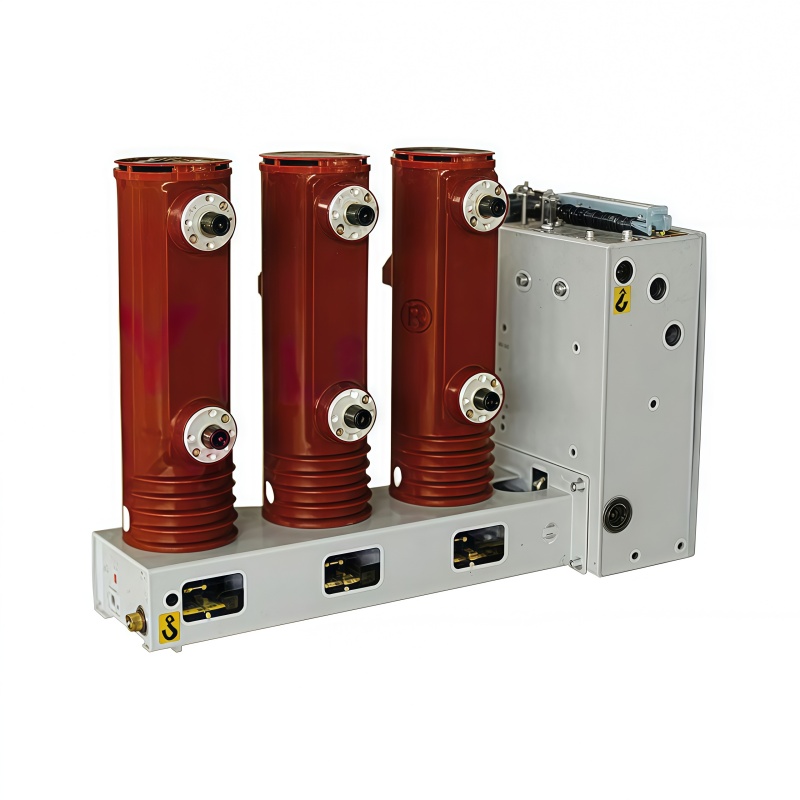
VD1-12(24) Side mounted high voltage vacuum circuit breaker for indoor installation
The high-voltage vacuum circuit breaker for indoor installation with side mounting of the VD1-12 series (24) is a high-voltage switching device for indoor installation, intended for use in three-phase electrical systems with a voltage of 12 kV, a frequency of 50 (60) Hz as a protection and control device.
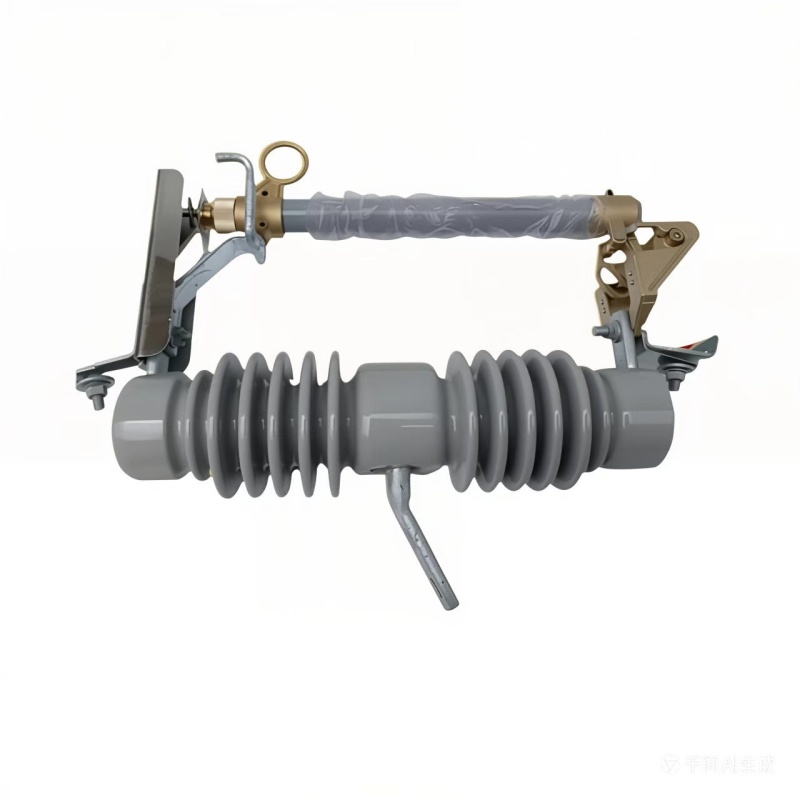
RW12 High voltage fall type fuse for outdoor installation
RW12 fuse-disconnector, full name RW12 type outdoor high-voltage AC fuse-disconnector, is a key protection device widely used in power distribution systems with voltages ranging from 10 to 35 kV.
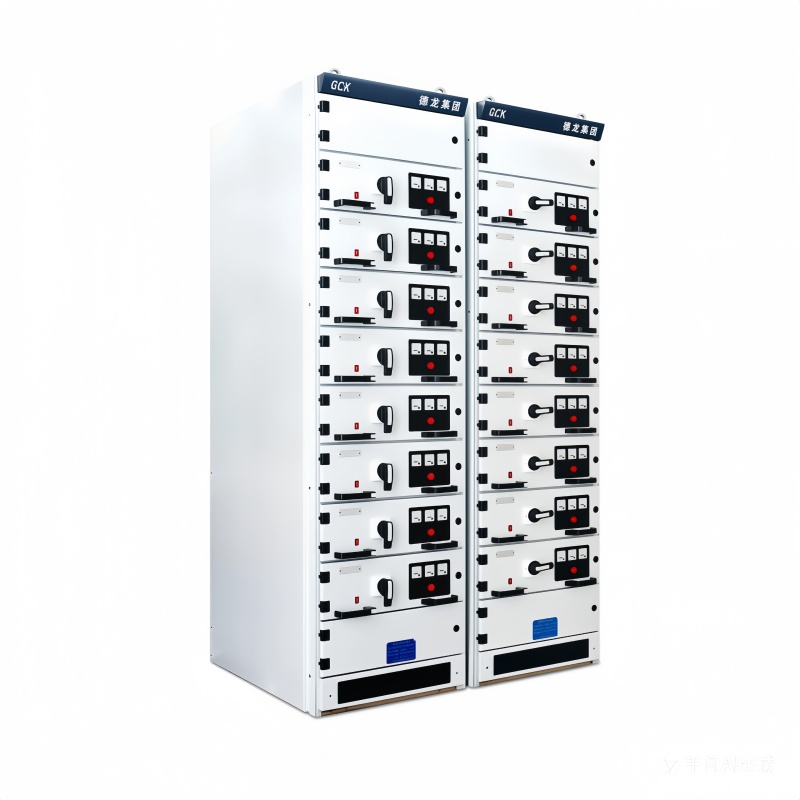
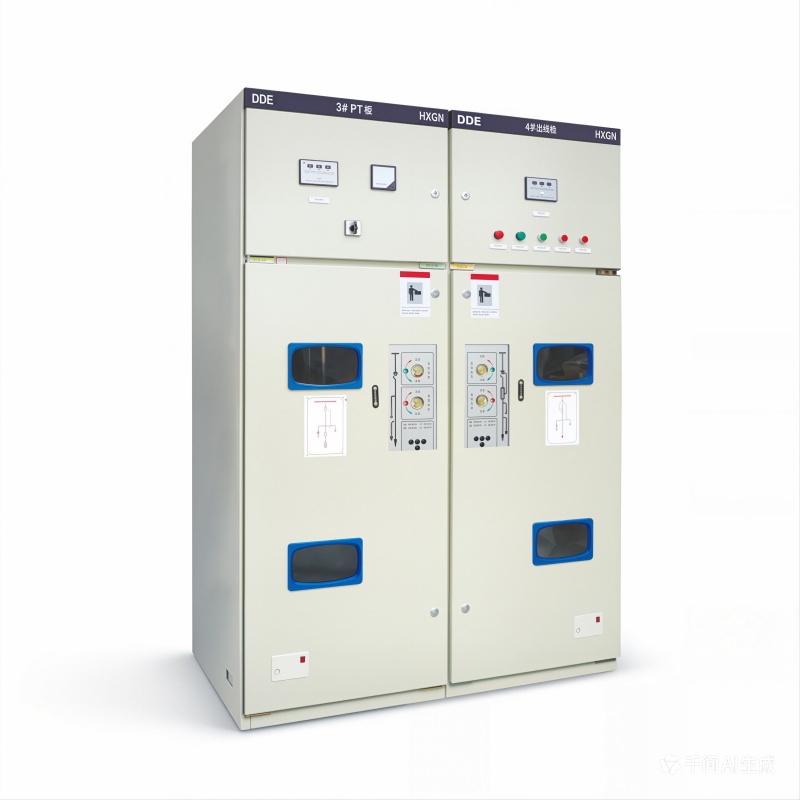
GCK Low-voltage drawout switch cabinet
GCK low-voltage withdrawable cabinet is a low-voltage switchgear, widely used in power plants, substations, industrial and mining plants, high-rise buildings and other fields.
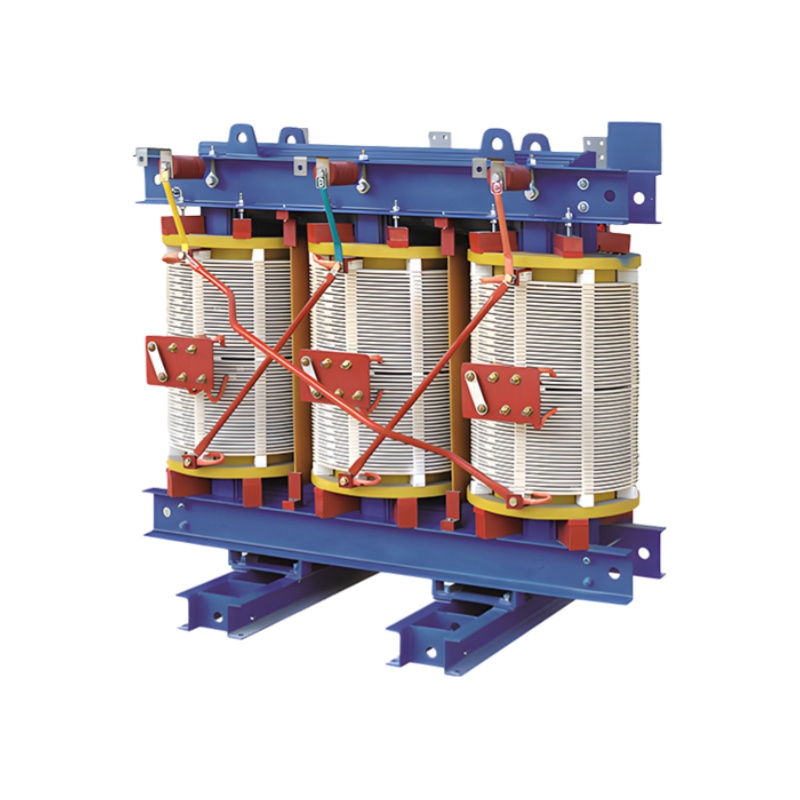
Dry transformer with open windings 10–35 kV
The dry transformer with open windings SGB is manufactured using the American DUPONT RELINTRAN technology using NOMEX insulating paper of heat resistance class H, approved by the American UL laboratory.
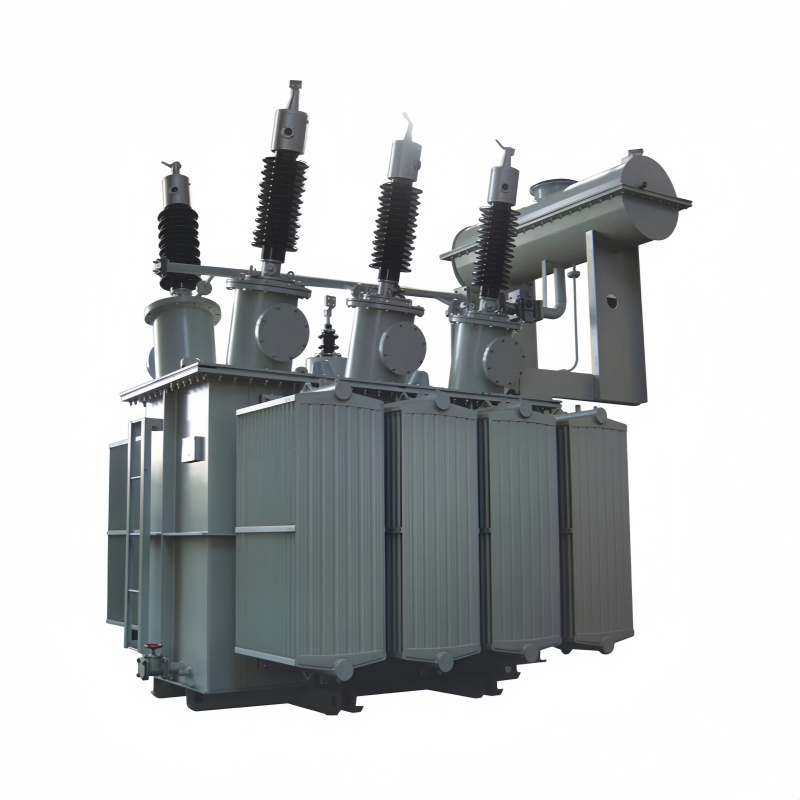
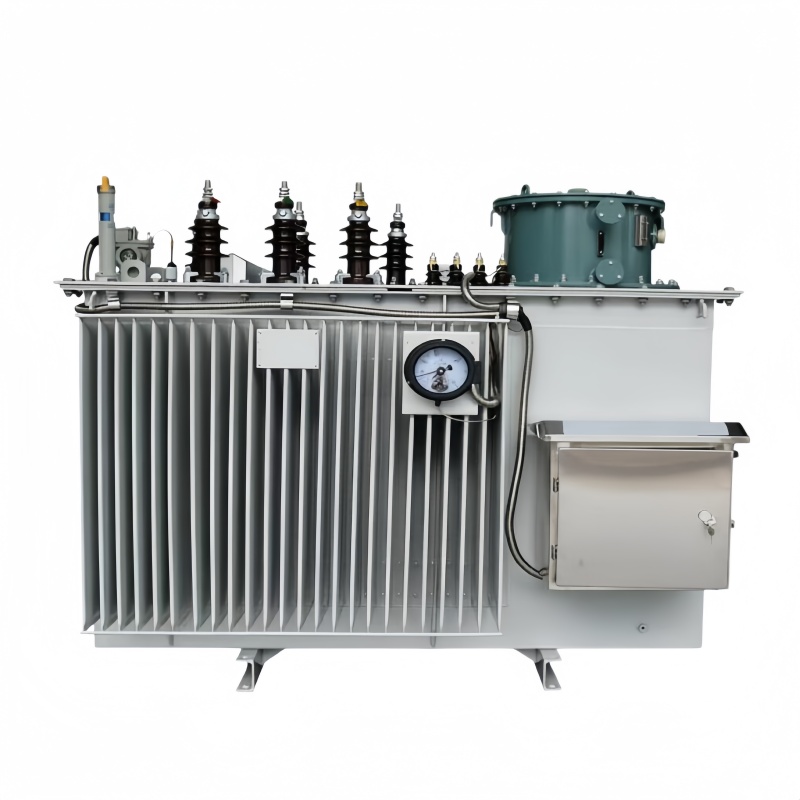
Oil power transformer 66 kV
Oil-filled power transformers 66 kV have the characteristics of “four low and one high” (low losses, low noise, low heating, low partial discharge, high reliability), and also do not require removal of the active part and do not have leaks.
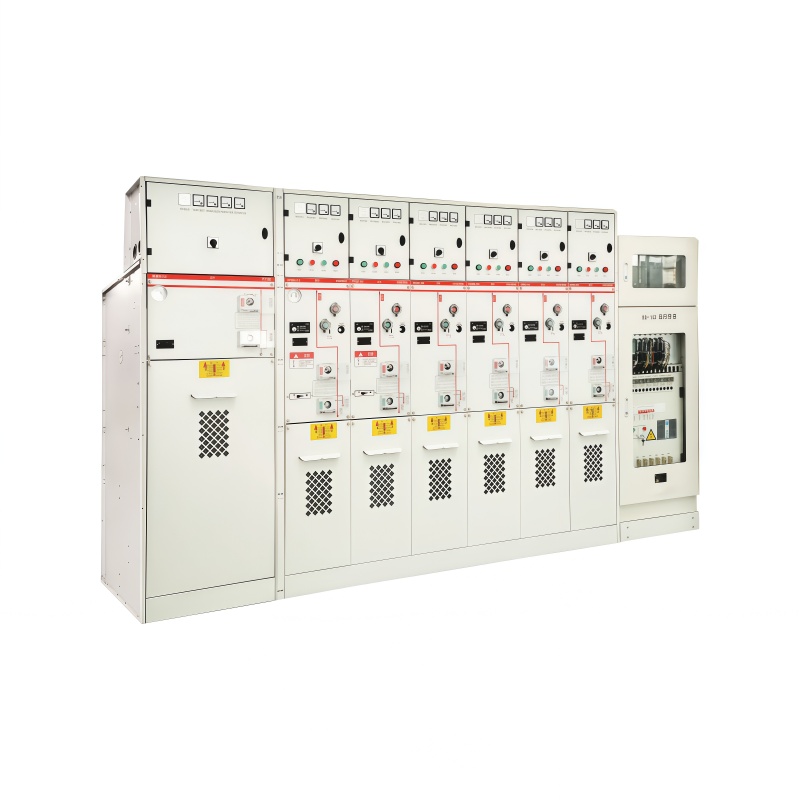
RM6-12 Fully sealed ring main block with full insulation
The ring switchgear with environmentally friendly gas RM6-12 is a complete switchgear for a voltage of 12 kV, three-phase alternating current with a frequency of 50 (60) Hz, for a system of single and sectional busbars.